How to Write a Children’s Book: A Beginner’s Guide
Writing Basics: Learn how to write a children's book with this high level overview from the editors of Children's Book Insider, the Children's Writing Monthly.




Learning how to write a children’s book means mastering several essential storytelling skills — including character development, plot structure, point of view, and scene construction.
The articles below cover the most important techniques used by successful children’s authors. Whether you’re starting with a new idea or revising a completed manuscript, these guides will help you strengthen your story and improve your craft.
If you’re new to writing for young readers, start with our beginners guide on how to write a children’s book.
We’ll be adding new writing tips and guides to this library regularly, so be sure to bookmark this page and check back for updates.

Writing Basics: Learn how to write a children's book with this high level overview from the editors of Children's Book Insider, the Children's Writing Monthly.

Story Development: Learn how to turn children's book ideas into a complete story. Discover how to develop a plot, build conflict, and shape your idea into a book readers will love.

Story Structure: Learn how to structure chapters in a children's book. Discover ideal chapter length, how scenes create plot points, and how to keep young readers turning pages.
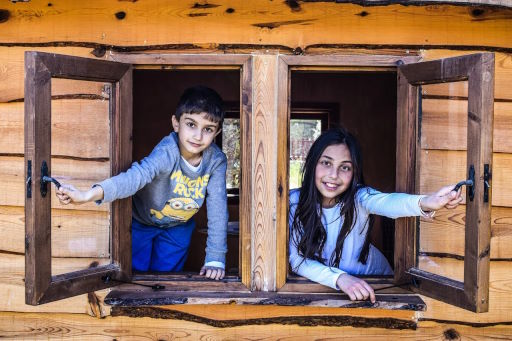
Character Development: Memorable characters drive every great children’s story. Learn how to develop believable personalities, create meaningful conflict, and let your characters shape your plot.

Writing Technique: Learn why “show, don’t tell” is one of the most important skills for children’s book writers and how specific details and actions bring stories to life.

Writing Tecnhique: Point of view shapes your story's voice and reader connection. Learn when to use first person, third person, or omniscient narration in children's books.
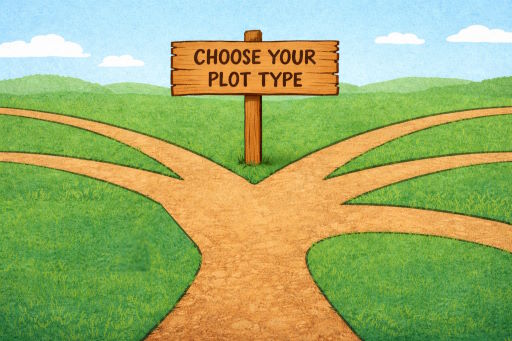
Story Structure: Children’s stories often follow one of five basic plot patterns. Learn how these plot types work and how to choose the best structure for your book.
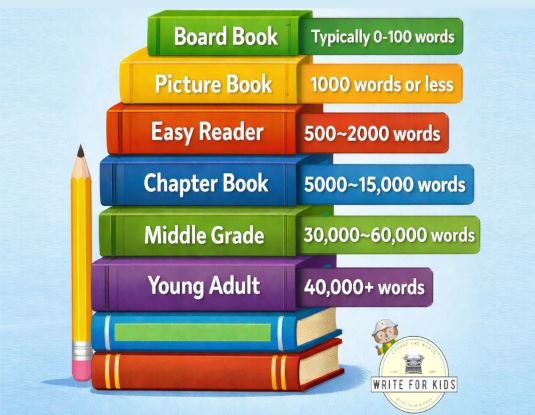
Publishing Basics: Learn the typical word counts for picture books, easy readers, chapter books, middle grade, and young adult novels so you can match your children’s manuscript to industry expectations.

Writing Technique: Learn how to spot passive writing, replace weak verbs with stronger action, and tighten your sentences so your children’s story feels clearer, more vivid, and more engaging.