Voice: The Missing Ingredient Agents & Editors Always Ask For
Find Your Authentic Voice to Create Manuscripts That Stand Apart From the Crowd
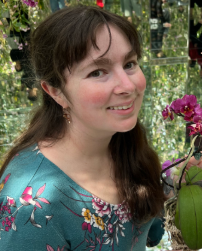
with Meg Eden Kuyatt
Who It’s For: Every kidlit writer who wants to express their authentic self – and get published!
What It Does: You’ll learn simple techniques and mindset shifts that will unlock your authentic writer’s voice and instill it in everything you create.
What You Get:Lifetime Access to the Full Workshop + PDF Handout.
Have you ever read something that was well-written, had a good plot and well-crafted characters but just felt… flat?
There was something clearly missing. That something is an authentic & compelling author’s voice.
This is what separates human beings from A.I. and why only an actual person can create a truly great book.
Our lifetime of experiences, our viewpoints, our innate uniqueness — these are the most important ingredients of a manuscript. Imbue your work with your true self, and your story will connect directly to the hearts and minds of your readers.
Fail to communicate a clear voice, and your story will be flat, ordinary and forgettable.
In publishing, that’s the kiss of death.
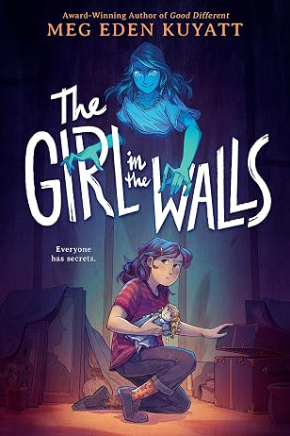
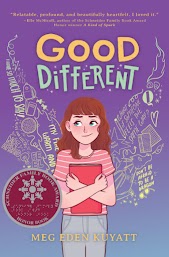
Meg Eden Kuyatt’s books are acclaimed for her powerful writer’s voice. In this exclusive workshop, she’ll show you how she developed it, and how you can find your own authentic voice that will set your work apart from the crowd.
In this workshop, Meg will personally guide you to finding your authentic voice and instilling it into everything you write.
Here’s the reality: Books by writers without a strong, solid voice get rejected and stay in the slush. This is especially true now, when publishers are on alert to sift out manuscripts that have been created using A.I.
A strong human voice is more important now than ever before.
You'll Learn:
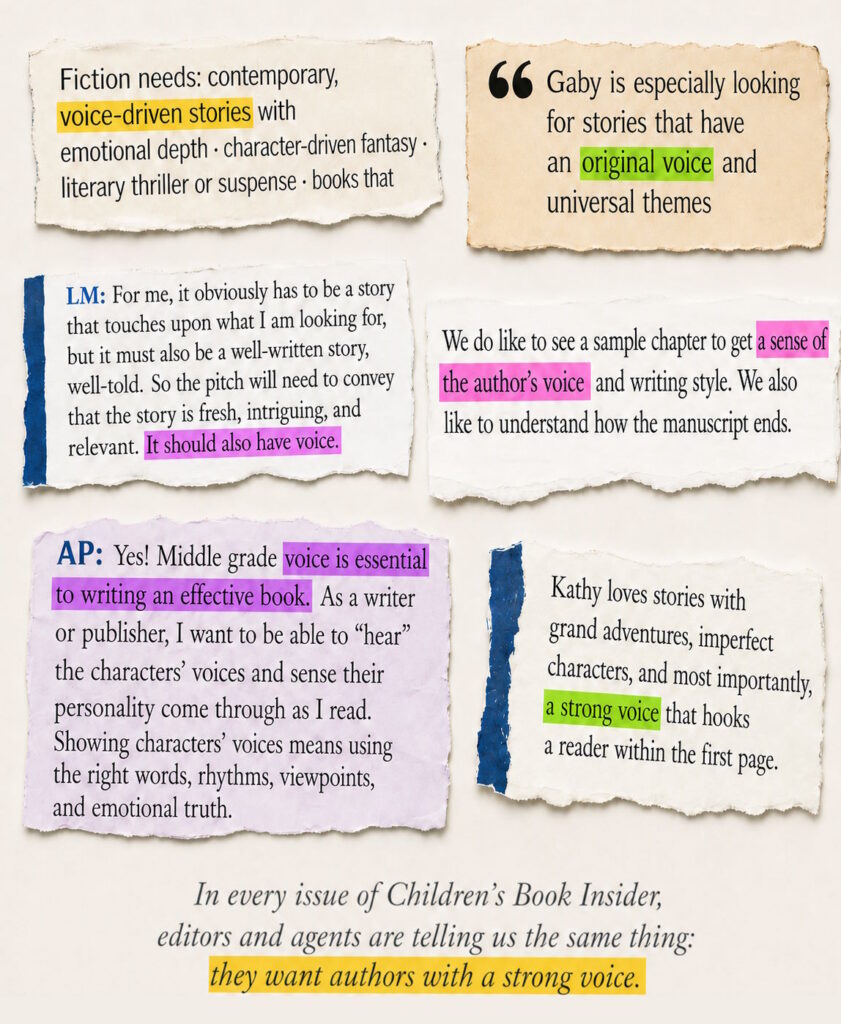
What agents and editors actually mean by “great voice” — and why it matters so much in submissions
Why some manuscripts feel flat or forgettable, even when the premise and plot are solid
The concrete craft elements that create voice, including narration, dialogue, point of view, rhythm, and word choice
How voice changes across picture books, middle grade, and YA fiction
How to use the language of lived experience to make your writing feel more specific, authentic, and alive
How to strengthen character voice and narrative voice without overthinking or forcing it
How published kidlit authors create memorable voice on the page
Practical prompts and exercises to help you begin cultivating voice in your own work